


Nu: Everyday mobile banking
4,81.16M Arvustused
Rakenduse andmed
- Versioon
- Sõltub seadmest
- Uuendatud
- Litsents
- Free
- Allalaadimised
- 100 000 000+
- Arendaja
- Nu
- Kategooriad
- Finants
- Platvorm
- Android, iOS
Ekraanipildid
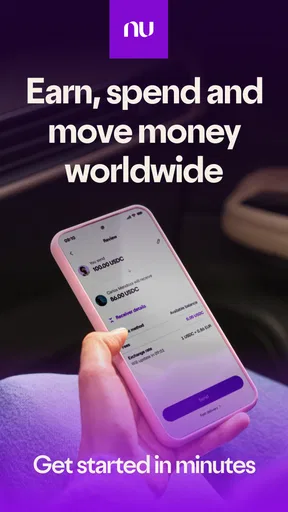
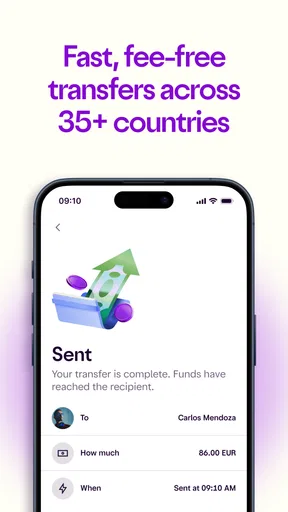
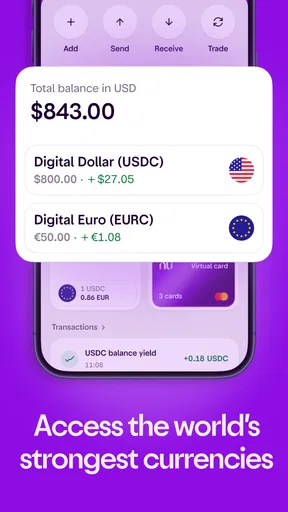
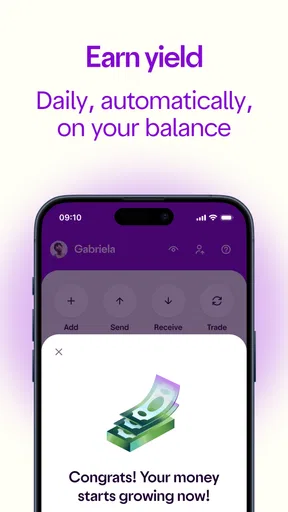
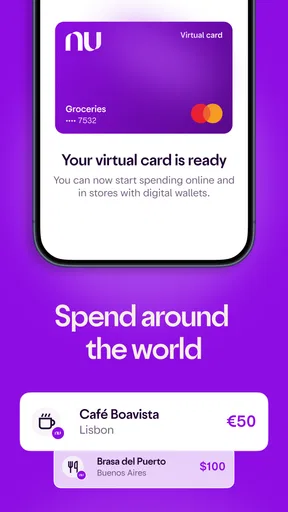
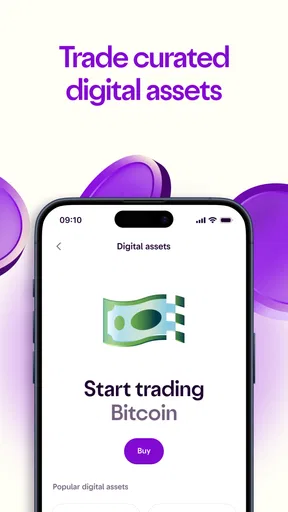
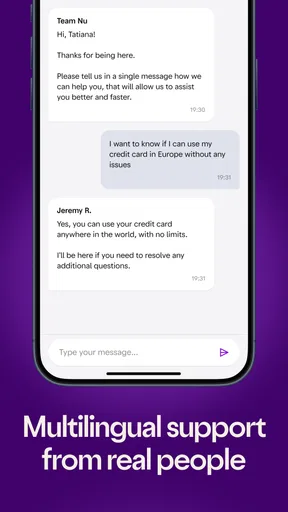

 Analüüsis AppCompare
Nu: Everyday mobile banking on the phone works best when I treat it as a quick place to check and manage everyday money, not as a replacement for every conversation with a bank. I can open it when I need to see where I stand, handle a routine banking task, or keep an eye on spending without sitting down at a computer. That convenience is the main reason I would recommend Nu to someone who wants banking to fit into small moments throughout the day.
It is a finance app from Nu, and its broad adoption is striking: it has more than 100 million installs and an average rating of 4.8 from around 5.9 million ratings. Those figures suggest that many people find the mobile-first approach useful, though popularity alone cannot tell you whether its services suit your situation. It is free to install and rated PEGI 3. Nu was released on 25 April 2014, so it is not a brand-new experiment in app-based banking.
Everyday banking that fits into short routines
Mulle meeldib alustada lihtsast harjumusest: avan pangarakenduse kindla küsimusega, näiteks kas kavandatud ost mahub tänasesse eelarvesse või kas oodatud makse on laekunud. Nii jääb lühike kontroll sihipäraseks ega muutu pidevaks saldo vaatamiseks. Järgmisena tasub üle vaadata seaded, mis aitavad seda rutiini enda vajaduste järgi kujundada.
The useful baseline: check first, act second
My preferred way to use Nu is deliberately simple. I open the app with a specific question in mind: has a recent purchase appeared, do I need to make a payment, or should I check my available balance before spending? That small habit makes a banking app feel less like another feed to browse and more like a practical tool. It also reduces the risk of opening it without purpose and losing track of what I actually came to do.
A realistic example is checking the app before ordering lunch or buying something on the way home. Rather than relying on memory, I can look at the current picture, consider upcoming expenses, and decide whether the purchase fits. The app is most helpful when that check becomes part of an existing routine, such as reviewing money after a grocery shop or before the weekly commute. It cannot make the decision for me, but it can make the relevant information easier to consult.
I would also use a regular review to connect individual transactions to a broader pattern. A single coffee or taxi ride does not mean much on its own; repeated small charges can matter more over time. Looking at the account with that perspective is more useful than treating every transaction as an emergency. For budgeting, the practical benefit is not merely seeing a number, but building a habit of checking in before small choices accumulate.
That approach will suit someone who is comfortable doing routine banking on a phone and prefers to check their finances in brief sessions. It may be less appealing to a person who wants to handle every financial matter through a named adviser or in person. A mobile app can make ordinary tasks convenient, but it does not remove the need to understand the account and services behind it.
Tasub enne valimist lugeda
Xiaomi ilmarakendus aitab päeva planeerida, kuid kogukonda ei loo

PLAYit leiab telefonist peaaegu iga video, kuid mugavusel on hind

TikTok Lite viib lühivideod väiksema andmekuluga kaugemale

Prime Video võit sõltub sellest, mida vaataja telefonis leiab

Moovit ei juhi busse, kuid mõjutab seda, kuidas linnas liigume
Nädala valik: Microsoft 365 Copilot aitab tööga kiiremini alustada
Settings worth checking before relying on it
Before making any banking app part of my daily routine, I take time to review the settings and account information available to me. I look for the options that affect how I access the account, how I receive updates, and how I manage everyday use. The exact choices can depend on the account and the app’s current setup, so I would not assume that every user sees identical controls. The important point is to learn where the relevant settings live before I need them in a hurry.
Notifications deserve particular attention. They can make it easier to notice account activity promptly, but a crowded notification stream quickly becomes something I ignore. I prefer to keep the alerts that help me make a decision or spot activity I should check, while avoiding unnecessary noise where the app lets me adjust it. This is a useful trade-off: fewer interruptions make the phone calmer, but too little awareness can make it harder to notice something that merits attention.
I also recommend checking the app’s access and security choices during setup, then revisiting them if the phone or the way you use it changes. A phone shared with family, left unlocked at home, or used across work and personal contexts calls for more care than a device kept private. I would not rely on a glance at the balance as proof that an account is secure; sensible device habits and the available account protections matter just as much.
Another small but worthwhile step is learning the app’s navigation when you are not under pressure. Find the areas you expect to use, such as account information and common money-management tasks, and note how to get back to the main view. When a payment is time-sensitive, familiarity helps more than tapping around and hoping to find the right place. This is not an advanced trick; it is a low-effort way to prevent avoidable mistakes.
Faster patterns for people who use it often
The biggest speed improvement comes from making routine checks repeatable. I try to use the same sequence: open the app, confirm the relevant account or activity, complete the task, then leave. That sounds basic, but it is more dependable than jumping between sections without a clear goal. If I am checking spending, I focus on the transactions that have changed since my last review rather than rereading everything I already know.
A second helpful pattern is pairing a banking check with an event that already happens. I might review the account after a regular payday, after a larger planned purchase, or at the end of a shopping trip. These anchors are easier to remember than an arbitrary reminder and make the review more meaningful. The aim is not to monitor every movement constantly; it is to check often enough that surprises are easier to notice.
For repeated payments or transfers, I would pause before confirming each one, even when the task feels familiar. Repetition makes a process faster, but it can also make people careless. I check the destination and amount rather than assuming they match the previous time. This is a practical safeguard for any banking app, especially when I am multitasking or trying to finish a payment quickly.
Experienced users can also make the app work better by deciding in advance what they want it to tell them. For example, a person trying to reduce impulse spending might check available money before discretionary purchases, while someone who mainly wants account awareness may focus on reviewing new activity. Those are different workflows, even if they use the same app. Choosing one clear purpose keeps the routine useful instead of turning mobile banking into repeated, unhelpful balance checking.
Making the routine work on a busy day
One workflow I find practical is to separate a quick check from a proper review. If I am in a shop queue, I only need to answer whether the planned purchase seems manageable; I do not need to analyse every transaction on the spot. Later, when I have a few quiet minutes, I can look at activity with more care. This avoids making a rushed decision based on a half-read screen and keeps the app useful in both brief and longer sessions.
For shared household expenses, I would agree on a simple routine with the other person rather than relying on memory or repeated messages. One person can check whether a payment has appeared, while both keep their own records of what they expect to pay. The app can support that conversation by making account activity easier to inspect, but it does not replace agreement about who covers which bill. That distinction matters: a bank balance is a snapshot, not a household budget.
When travelling or managing a particularly busy week, I would avoid making the app the sole place where I remember important financial commitments. A calendar or personal note can hold the due date, while the bank app is where I check account activity and complete ordinary tasks. Keeping those roles separate reduces the chance that I mistake a balance check for a plan. It is a small organisational choice, but it makes mobile banking less reactive.
Where a mobile-first bank may not be enough
Nu’s phone-centred convenience is also a limit. If I need to do something that depends on a service, account type, or support route unavailable in the app, a smooth mobile interface cannot solve that mismatch. Before moving all my everyday banking to any provider, I would check that the services I personally rely on are available and suitable. This matters especially if my finances involve unusual arrangements or if I regularly need in-person help.
There is also a difference between managing money and planning it. An app can make it easier to inspect account activity, but it cannot automatically decide what I should save, which bills to prioritise, or whether a purchase fits my longer-term plans. Someone who needs detailed household budgeting may prefer a dedicated budgeting tool alongside a bank account. Someone who values detailed conversations about financial choices may prefer a traditional bank relationship or another service that better matches that need.
Compared with the usual alternatives, a mobile banking app is strongest for quick access and frequent, small interactions. A desktop banking site can feel more comfortable for long sessions or careful review on a larger screen. A branch-based bank may be preferable when face-to-face support is important. A separate budgeting app may give a more focused way to plan spending across multiple accounts. I would not choose one option on convenience alone; I would match it to the tasks I actually do.
Phone access brings a practical dependency too: I need a working device and a reliable way to reach the app when I want to manage money. I would not make the app my only plan for an urgent financial situation without first understanding how I can get help and what alternatives are available. That is not a reason to avoid mobile banking; it is a reason to know the support route before something goes wrong.
Who I would recommend it to
I would point a friend toward Nu if they want to handle ordinary banking from a phone and are willing to build a simple checking routine. It makes particular sense for someone who likes to keep tabs on money in short bursts rather than reserve a long session for a computer. The large user base and strong average rating indicate that it has broad appeal, but my recommendation would still depend on the services the person needs and their comfort with mobile-first banking.
I would be more cautious about recommending it to someone who rarely uses a smartphone, strongly prefers in-person assistance, or needs a specific banking service they have not confirmed is available. I would also advise a person who tends to tap through financial decisions too quickly to slow down and verify details before confirming transactions. Convenience is valuable, but it should not turn careful money handling into a reflex.
It is also a sensible option for someone who wants a straightforward way to keep banking close at hand, but not necessarily for someone seeking a complete financial-planning system. If you already use a spreadsheet or a budgeting service to plan across several accounts, you can keep that tool for the bigger picture and use a banking app for day-to-day checks. I find this combination more realistic than expecting one app to cover every money question equally well.
A measured verdict for daily use
Nu makes the most sense when I use it with intention: a short check before spending, a quick review after important activity, and a familiar route for routine tasks. Its strongest everyday quality is that it brings banking into the moments when a decision is being made. The trade-off is that users must take responsibility for checking settings, keeping their own workflow sensible, and knowing when a phone app is not the right tool.
I would recommend trying it for everyday banking if its available services fit your needs, then judging it by how comfortably it supports your real routine—not by how often you open it. Keep notifications useful, verify payment details, and use a separate planning tool or another bank when your needs go beyond quick account management. Used that way, it can be a practical companion for everyday money without pretending to be the answer to every financial task.
Plussid
- Konto saldo ja tehingud on mugavalt telefonist vaadatavad.
- Kaartide haldamine ja ajutine blokeerimine käib äpis.
- Sõrmejälje või näotuvastusega saab kiiresti sisse logida.
- Teavitused aitavad uutel kontotehingutel silma peal hoida.
- Makseid saab teha ka siis
- kui pangakontor pole käepärast.
Miinused
- Kõigi toimingute jaoks võib vaja minna internetiühendust.
- Mõne keerukama pangateenuse kasutamiseks tuleb avada veebipank.
- Telefonikaotus võib tekitada muret
- kui äpi turvaseaded pole paigas.
- Äpi kasutamine eeldab nutitelefoni ja uuendatud operatsioonisüsteemi.
- Teavituste rohkus võib muutuda häirivaks
- kui neid pole kohandatud.
Korduma kippuvad küsimused: Nu: Everyday mobile banking
Mis on Nu: Everyday mobile banking ja kellele see mõeldud on?
Nu: Everyday mobile banking on Nubanki mobiilipanganduse rakendus, mille kaudu saab hallata teenusega seotud pangakontot ja kasutada rakenduses saadaval olevaid finantsteenuseid. See võib hõlmata näiteks saldode ja tehingute vaatamist, makseid ning kaartide haldamist. Täpsed võimalused sõltuvad riigist, kasutaja sobivusest ja Nubanki tingimustest, seega kontrolli enne allalaadimist, kas teenus on sinu piirkonnas saadaval.
Kas Nu: Everyday mobile banking on tasuta kasutada?
Rakenduse allalaadimine võib olla tasuta, kuid see ei tähenda tingimata, et kõik selle kaudu kasutatavad pangateenused oleksid tasuta. Kontode, kaartide, ülekannete või muude teenustega võivad kaasneda tasud ja tingimused, mis erinevad riigiti ning võivad ajas muutuda. Enne konto avamist või tehingu kinnitamist tutvu Nubanki kehtiva hinnakirja ja lepingutingimustega; samuti kontrolli, kas sinu mobiilioperaator võib võtta andmesidetasu.
Kuidas kaitseb rakendus minu kontot ja isikuandmeid?
Pangarakenduses võib konto turvalisus sõltuda nii Nubanki kasutatavatest kaitsemeetmetest kui ka sinu enda seadme seadistustest. Rakendus võib pakkuda sisselogimise kinnitamist, biomeetrilist autentimist või tehingute turvakontrolle, kuid funktsioonid võivad seadmest ja piirkonnast sõltuda. Kasuta ajakohast operatsioonisüsteemi, hoia sisselogimisandmed enda teada ning ära ava kahtlaseid linke. Täpsema teabe andmete töötlemise ja turvalisuse kohta leiad privaatsustingimustest.
Kas saan rakenduse kaudu kontot avada ja kõiki teenuseid kohe kasutada?
Konto avamise võimalus ja teenuste kättesaadavus sõltuvad sinu elukohast, vanusest, isikutuvastusest ning Nubanki nõuetest. Registreerimisel võidakse paluda esitada isikuandmeid ja tõendada oma isikut; taotluse kinnitamine ei pruugi toimuda kohe. Ka pärast konto avamist võivad mõned funktsioonid olla piiratud või vajada täiendavat kontrolli. Vaata enne registreerimist rakenduse kirjeldusest ja Nubanki ametlikest tingimustest, kas sinu asukohas saab teenust kasutada.
Mida teha, kui rakendus ei tööta või ma ei saa kontole sisse logida?
Kõigepealt kontrolli, kas internetiühendus toimib ja kas kasutad rakenduse uusimat versiooni. Seejärel proovi rakendus sulgeda ja uuesti avada või taaskäivita seade; ära jaga kellelegi oma parooli ega kinnituskoodi, isegi kui pöördumine näib pärinevat pangast. Kui probleem püsib, kasuta rakenduses või Nubanki ametlikul veebilehel toodud klienditoe kanalit. Ära otsi abi juhuslikelt veebilehtedelt ega edasta neile oma kontoandmeid.


